
Buy Bulk Ammo Now and Lock In the Lowest Price Per Round Before It Jumps
Imagine heading to the range with a single heavy box instead of a dozen small ones—that’s the everyday convenience of buying bulk ammo. It’s simply ammunition sold in larger quantities, usually by the case, which lets you load up mags and shoot for hours without constant restocking trips. Since the per-round cost drops with volume, you can practice more often for the same budget, and storing it in sealed cans keeps your rounds fresh and ready whenever you need them. Just count out what you need for the day, leave the rest safely tucked away, and enjoy the simple rhythm of loading, aiming, and https://specialtysportsandsupplyltd.com/ firing without interruption.
Why Buying Ammunition in Large Quantities Saves You More Than Just Money
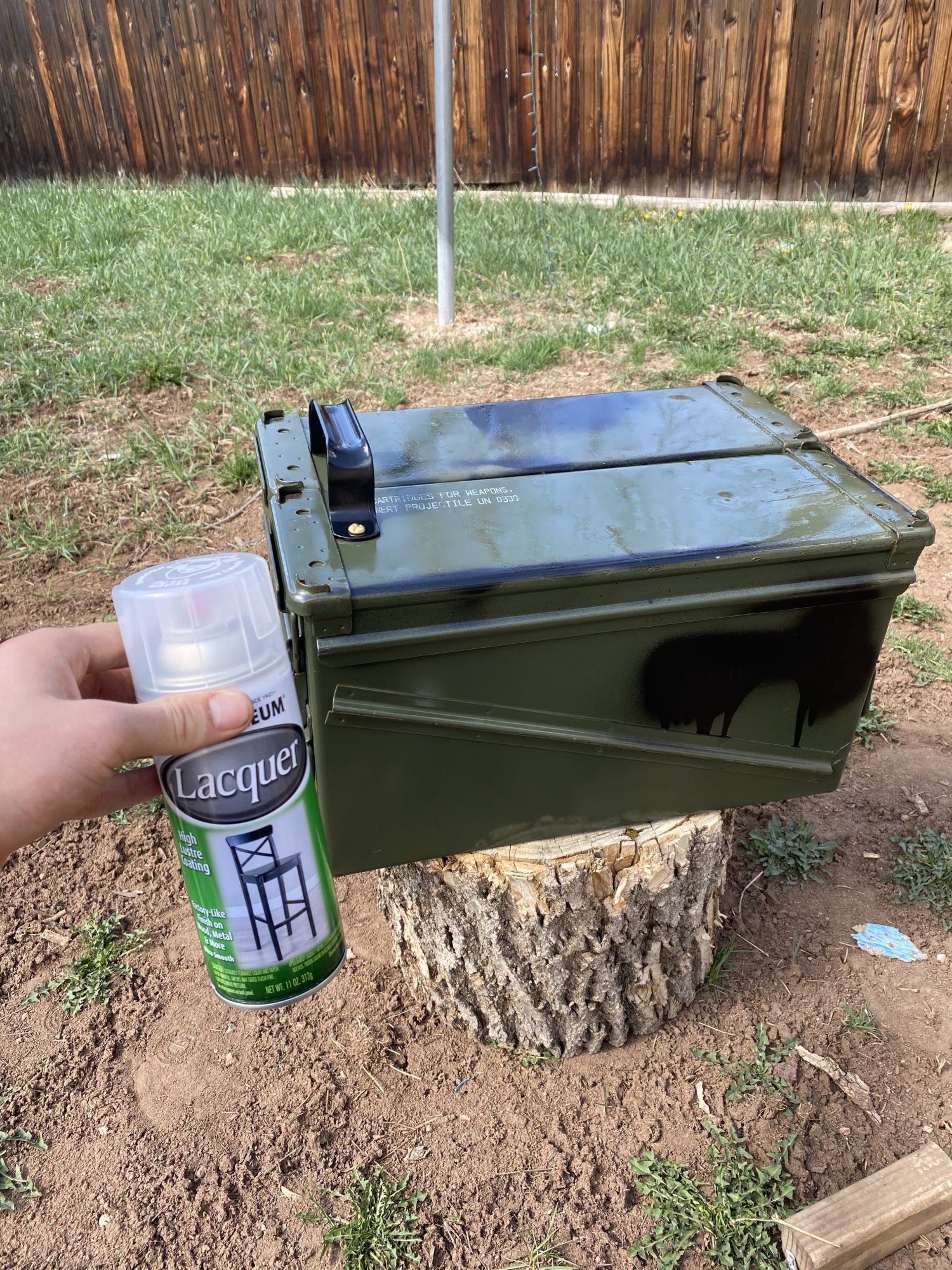
Buying bulk ammo delivers far more than a lower per-round price; it delivers logistical and practical security. When you purchase in large quantities, you eliminate the recurring cost and wasted time of frequent trips to the store, ensuring you always have a consistent supply for practice or preparedness. More critically, large quantity ammo purchases insulate you from sudden shortages and price spikes, meaning your training schedule never stalls. You also .35 Remington Ammo for Sale save by buying at a single moment, avoiding incremental shipping fees and per-box handling charges. This approach builds a reliable reserve, so your range sessions are dictated by your skill-building goals, not by how many boxes you happen to have left. Ultimately, bulk buying is an investment in your readiness and consistency, not just a discount.
The True Cost-Per-Round Breakdown You Haven’t Calculated
When you calculate true bulk ammo cost-per-round, you often stop at the sticker price—but that’s where the real savings hide. Buying a case of 1,000 instead of five boxes of 20 eliminates per-box handling fees, reduces the per-shipment hazmat surcharge when spread across more rounds, and cuts the fuel cost of multiple range trips. You also avoid the “panic premium” of buying small batches before a weekend shoot. Track your price per round across a full year, including shipping, taxes, and time spent restocking; you’ll see bulk pricing quietly trims 15–25% off your true expenditure. That’s money you haven’t accounted for—until now.
- Hazmat and shipping fees shrink dramatically when divided by 1,000 rounds instead of 100.
- Fewer transactions mean fewer credit card fees and less per-order administrative overhead.
- Locking in bulk pricing protects you from small-box inflation during ammo shortages.
- Drive less often to the store—turn gasoline and time into tangible per-round discounts.
How Volume Purchasing Shields You From Price Spikes at the Gun Store
When you buy bulk ammo, you lock today’s shelf price into your own personal inventory, so when that sudden weekend rush or panic-driven shortage jacks up per-box costs at the gun store, you simply skip the aisle. That bulk ammo price shield works because you already paid wholesale-like rates, not the inflated walk-in price that appears after demand surges. You avoid the anxiety of watching tags rise weekly, and you never have to settle for whatever premium-priced, odd-brand boxes remain on the rack. Instead, you shoot from your stockpile at your own cost basis, making each trip to the store optional rather than mandatory, and your wallet stays immune to every sudden sticker shock.
What Calibers and Grain Weights Actually Make Sense to Stockpile
For bulk ammo stockpiling, prioritize common calibers with proven terminal performance and logistical ease: 5.56x45mm in 55-grain, 9mm in 124-grain, and .308 Winchester in 147–150-grain. The 55-grain M193 profile offers flat trajectory and fragmentation at high velocity, making it the most versatile and affordable bulk choice for AR-platform rifles, while 62-grain penetrators add cost without practical benefit for general reserve. For 9mm, 124-grain FMJ cycles reliably across pistols and PCCs, outperforming 115-grain in barrier penetration and recoil consistency without the price jump of 147-grain subsonics. In .308, 147–150-grain ball mirrors NATO spec, giving you maximum round count per dollar for battle rifles and bolt guns. *Does grain weight matter for bulk storage?* Yes—stick to one standard weight per caliber to simplify ballistic memory and zeroing. Avoid exotic grains or calibers like 6.5 Creedmoor or .300 Blackout unless your primary platform demands them; they double your cost and complicate resupply. A stockpile of 1,000 rounds per caliber, split between these weights, covers defensive, training, and hunting scenarios with zero waste.
9mm vs. .223 vs. .308: Which Rounds Offer the Best Economy at Scale
For pure economy at scale, 9mm dominates because its high production volume lowers per-round cost dramatically, often 40–60% cheaper than .223 and 70–80% cheaper than .308 under bulk ordering. When buying by the case, .223 offers the best cost-per-hit for intermediate-range work, but its price advantage narrows once you factor in heavier grain weights (62–77gr) needed for consistent performance. .308 is the least economical to stockpile: it consumes more propellant and copper per round, and bulk pricing rarely dips below twice the cost of .223. 6.8 SPC Ammo for Sale Your strategy should hinge on maximizing round count per dollar—9mm for training and close-quarters, .223 for versatile field use, and .308 only if your rifle demands it.
9mm yields the best economy at scale, followed by .223, while .308 remains a premium-priced option for specialized needs.
Matching Bullet Grain to Your Barrel Twist Rate for Optimal Accuracy
Your barrel’s twist rate dictates which bullet grain will stabilize best, and ignoring this when stockpiling bulk ammo means wasting rounds on mediocre groups. A 1:7 twist handles heavier, longer bullets like 77-grain loads, while a 1:9 twist prefers lighter 55-grain projectiles for consistent spin. Before you buy thousands of rounds, verify your twist by checking your barrel or a quick cleaning-rod test. Buy a small sample box of candidate grains, shoot for tight clusters at 100 yards, then commit to the winner in bulk. This prevents a pallet of ammo that keyholes or tumbles, turning potential accuracy into frustration. Matching bullet grain to twist rate transforms bulk purchases from mere volume into precision you can rely on.
Factory New, Remanufactured, or Steel-Cased: Which Bulk Option Fits Your Gun
When buying bulk ammo, choosing between factory new, remanufactured, and steel-cased options hinges on your firearm’s tolerance and your shooting priorities. Factory new brass cases offer the most reliable feeding and consistent pressure, ideal for precision work or defensive loads, but 6.5x57mm Mauser Ammo for Sale cost the most per round. Remanufactured ammunition uses once-fired brass, saving money while retaining near-new accuracy; however, inspect cases for dents and be ready for occasional misfires in finicky guns. Steel-cased rounds, with their lacquered or polymer-coated steel, are the cheapest for high-volume practice, but the harder cases accelerate extractor wear and may deform in tight chambers. Never use steel-cased ammo in a firearm with a non-replaceable extractor, as breakage becomes a real risk. For casual plinking, steel is fine; for duty or match use, stick to factory new or quality remanufactured loads.
The Reliability Trade-Offs of Reman Ammo for High-Volume Range Days
For high-volume range days, remanufactured ammo presents a distinct reliability calculus compared to factory-new loads. The core trade-off is cost savings against a higher probability of inconsistent primer seating, which can produce light strikes or delayed ignition. Since reman rounds are disassembled and reassembled, case dimensions may deviate slightly from spec, increasing the risk of feed ramps catching on the bullet ogive or extraction .32 Win Special Ammo for Sale failures due to resized rims. Prioritize lots with fresh primers and proper case gauging; even then, expect one or two malfunctions per hundred rounds. If your session drills malfunction drills, this risk is acceptable—but for pure shot-counting, factory-new brass remains the safer baseline.
- Test a small box (20–50 rounds) for function before committing to a bulk case.
- Monitor extraction marks and primer strike depth for early signs of headspace issues.
- If failures exceed 2–3 per 100, switch to a different reman batch or factory brass.
When Steel-Cased Rounds Are a Smart Buy and When They’ll Ruin Your Extractor
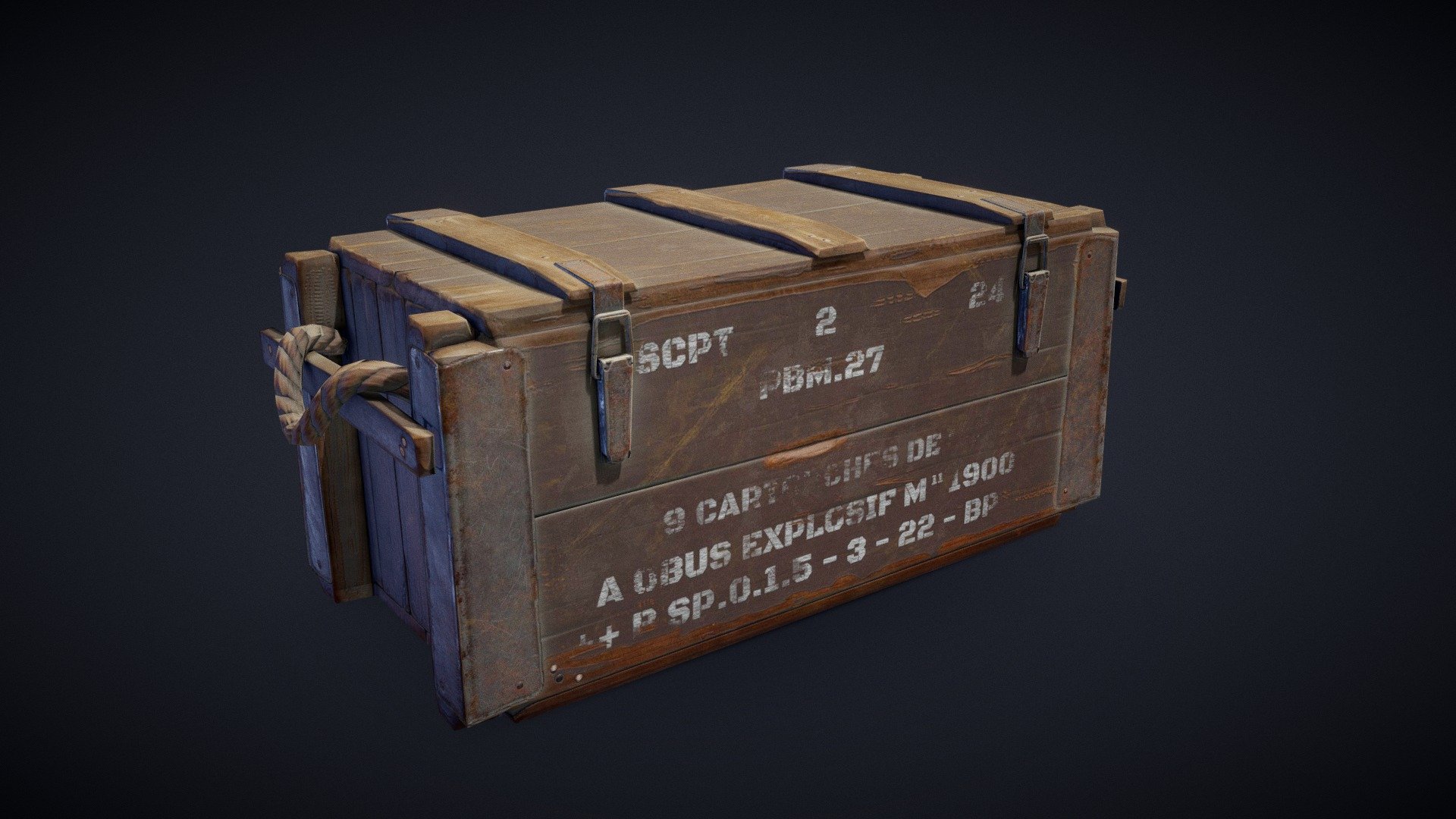
Steel-cased ammo is a smart buy for bulk practice when your gun has a chrome-lined chamber or an extractor designed for it—like most AKs, and many Glocks or modern polymer pistols. The lacquer or polymer coating keeps friction low, so extraction stays smooth. But it will ruin your extractor on tight-tolerance match barrels or older 1911s, especially when the case expands and sticks after rapid fire. The steel doesn’t grip like brass, .338 Lapua Ammo for Sale so the extractor claw has to yank harder, risking chipped teeth or bent springs. Stick to brass or reman for precision guns, and save steel for beater range sessions.
How to Properly Store Thousands of Rounds Without Degrading Performance
To keep thousands of bulk rounds performing like new, you must control **environmental stability** above all else. Store ammo in sealed, military-style .50-cal cans or heavy-duty plastic totes with desiccant packs, since moisture is your prime enemy. Keep those containers off concrete floors—use pallets or shelving—to prevent condensation wicking into primers and powder. Temperature swings are the silent killer; aim for a constant 55–70°F, avoiding attics or garages where heat cycles degrade propellant and cause velocity inconsistencies. Rotate your stock, shooting older lots first while newer cases sit undisturbed.
Oxygen and humidity, not time, degrade ammunition—vacuum-seal or add oxygen absorbers for decades-long storage.
Never oil the rounds themselves; instead, wipe cases with a dry cloth and inspect for corrosion quarterly. Stack cans with labels showing purchase date, and you’ll cycle through thousands of rounds knowing each pull of the trigger feels identical.
Ammo Cans, Desiccants, and Temperature: The Shelf-Life Formula
The shelf-life formula for bulk ammo hinges on three interdependent variables: airtight ammo cans, active desiccants, and stable temperatures. .32 ACP Ammo for Sale Use military-spec cans with rubber gaskets to create a sealed microclimate, blocking humidity influx. Insert reusable silica gel desiccant packs—roughly 10 grams per 100 rounds—and replace them when the indicator beads shift from orange to green. Temperature consistency matters more than coolness, as daily thermal swings cause condensation inside sealed cans, degrading primers and powder. Storing cans in a basement at 60–70°F with 40% relative humidity outperforms a hot garage that fluctuates by 20 degrees daily. For long-term bulk storage, refrigerate (not freeze) sealed cans, but always return them to ambient temperature before opening to prevent moisture shock.
Rotating Your Stockpile So Old Lots Get Used Before New Ones
When you buy in bulk, implement a strict first-in, first-out rotation so the oldest ammunition gets shot or tested before newer lots. Stack new cases behind existing ones on shelving; if you store in ammo cans, write the purchase date and lot number on the lid with a marker, then pull from the front. Every six months, physically move the oldest can to your range bag, not the newest. This prevents lot stratification, where you unknowingly hoard aging primers or powder while burning through fresh stock, leaving degraded rounds for a critical moment. Rotating also confirms your storage conditions work before years pass, so you catch corrosion or seal failures early on a batch you actually trust.

Rotating your stockpile ensures old lots are consumed first, preventing silent degradation waste and guaranteeing every round you fire is from a verified, time-tested batch.
What to Look for in a Lot Number and Headstamp Before You Commit
When buying bulk ammo, the lot number and headstamp are your first line of defense against inconsistency. A lot number tells you every round came from the same manufacturing run, so check that all boxes share one code—mixed lots in a “bulk” deal signal poor inventory control and potential accuracy shifts. The headstamp reveals the exact manufacturer and cartridge spec; a reputable maker’s stamp guarantees brass quality and primer seating, while unknown or mismatched stamps are a red flag for remanufactured or surplus rounds. Before you commit, verify the headstamp matches your firearm’s caliber exactly and that the lot number isn’t associated with a known recall. Sticking to a single, verified lot and a clean headstamp ensures consistent pressure, reliable feeding, and uniform ballistics across every box you stockpile.
Spotting Inconsistent Primer Seating and Case Length Issues in Bulk Boxes
When inspecting bulk boxes, inconsistent primer seating reveals itself as primers seated proud of the case head—run a fingernail across the base to feel for high primers, which can cause misfires or slam-fires in semi-autos. Case length issues appear as visible variations in cartridge overall length, especially with mixed headstamps; use a caliper to check a random sample 6.5×55 Swedish Ammo for Sale of 10–20 rounds, as overly long cases may chamber with force or fail to feed. *A rimless cartridge that passes the plunk test in your barrel gauge still risks pressure spikes if its case length varies beyond SAAMI specs.* Spotting inconsistent primer seating and case length issues in bulk boxes requires tactile and mechanical checks, not just visual sorting.
**Q: How quickly can I spot primer seating issues without tools?**
A: Lay rounds base-down on a flat glass surface—proud primers will rock or tilt, and you’ll feel a slight ridge when swiping a fingertip across the primer pocket edge. Case length differences, however, are rarely detectable by eye alone, so always verify with calipers before committing to a bulk purchase.
How to Test a Sample Batch Before Trusting the Entire Crate
Before committing to a full crate, pull five boxes from different corners and depths of the pallet, then number each headstamp’s lot visibly. Start by measuring cartridge overall length and case mouth tension with a caliper; a variance beyond 0.01 inch signals inconsistent seating. Fire ten rounds from each selected box through your actual firearm, recording primer strike uniformity, extraction effort, and velocity spread if you have a chronograph. Group size alone will not reveal feeding issues, so also manually cycle dummy rounds to check rim thickness and extractor groove tolerance against your bolt face. After shooting, inspect spent brass for split 6.5x57R Ammo for Sale necks, flattened primers, or ejector smears—these confirm pressure spikes or brittle cases. Finally, weigh twenty random projectiles from each sample; a weight drift over two grains suggests mixed bullet lots. Validating a sample batch across several boxes catches batch anomalies that a single box would mask, so repeat the test twice on different days to rule out temperature effects before trusting the rest of the crate.
Test multiple boxes from separate pallet locations, measure case dimensions, fire for primer and extraction consistency, inspect spent brass for pressure signs, and weigh bullets—then re-test on a second day before buying the whole crate.
Practical Shipping and Handling Tips for Large Caliber Orders
When moving bulk ammo in large caliber orders, distribution of weight is your first priority—use reinforced, double-walled Ammunition for Sale boxes and a sturdy hand truck rated for the load. Never stack cases over three high, as the sheer mass of .308 or .338 Lapua rounds can crush lower containers and deform projectile tips. Secure each box individually with ratchet straps in the vehicle, not just bungee cords, to prevent shifting during turns. Lift with your legs, not your back, and break pallets into 50-pound manageable loads before hauling to the range or vault. For large caliber shipping, always seal each case with tape across all seams and mark the outside with “Heavy—Do Not Drop.” Keep primers facing up, store away from heat sources, and inspect every fifth box for crushed corners before storage. This method ensures your investment arrives intact and handling remains safe.
Weight Limits, Palletizing, and Splitting Orders to Dodge Heavy-Freight Fees
Carriers typically impose a 150-pound threshold per package before adding heavy-freight surcharges, so keep each box under that limit. Palletizing orders over 500 pounds shifts the rate from per-package to per-pallet, often cutting costs if you fill the pallet completely. Splitting orders to dodge heavy-freight fees works best when you separate dense calibers like .308 or 12-gauge into multiple lighter cartons rather than one overweight box. Compare the palletized quote against two or three smaller shipments; the latter often avoids the surcharge entirely if each stays below the carrier’s weight break. Use a freight calculator before checkout to test both scenarios.
Stay under 150 lbs per box, palletize full pallets for bulk shipments, or split into lighter cartons to avoid heavy-freight fees.
Inspecting Your Delivery for Damaged Trays and Loose Powder Before Unboxing
Before you slice through the sealing tape on that bulk ammo shipment, pause and inspect the exterior for crushed corners or bulging sides—signs that damaged trays and loose powder may already be compromising your rounds. A jostled box with torn internal dividers often spills propellant across the packaging, creating a dangerous mix of exposed primers and gritty debris. Slide a flashlight along the seams to catch any fine, gray granules leaking from the cartons. If you spot powder, don’t open it indoors—isolate the package on a flat, dry surface and photograph the damage for a return claim. Unboxing protocols should always start with this visual and tactile screening.
Q: What’s the fastest way to spot loose powder before unboxing?
A: Tilt the box slightly and listen for a sand-like hiss, then wipe the outer flap with a dry finger—any metallic or smoky residue means the seal failed and the trays are likely fractured.